

Hello and welcome back to HallyuTones – always focused on Sound, Stage, and Substance.
As K-Pop continues to grow and expand in influence, many professionals are actively seeking to explore the genre in new ways. Much the same as other genres like rock, jazz, or classical music, K-Pop has developed it’s own identity distinct from it’s peers.
Furthermore, this distinction extends into the world of dance and performing arts. Classical ballet, contemporary dance, and break dancing all have distinct movements, identifying terminology and a rich history underpinning them.
Likewise, K-Pop dance has it’s own identity – one that is absolutely worthy of study, analysis, and teaching.
Today we are honoured to welcome Dr. Chuyun Oh, Professor of Dance Theory at SDSU (San Diego State University) to talk more on this concept, her work to expand the world of K-Pop dance, and her own personal reflections on the genre.

Interview:
Q1. Please introduce yourself and your background.
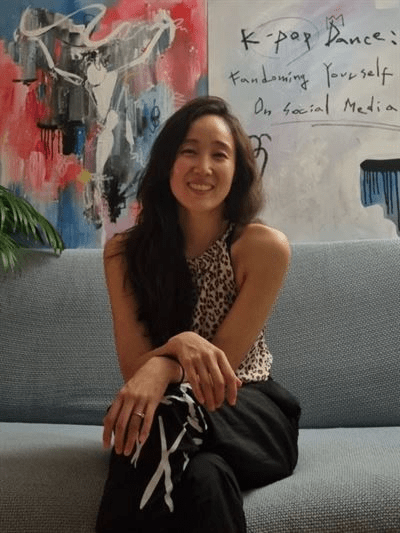
I am Chuyun Oh (PhD, UT Austin), a Professor of Dance Theory at San Diego State University.
Q2. Could you tell us a little about your background as a professional dancer and lecturer?
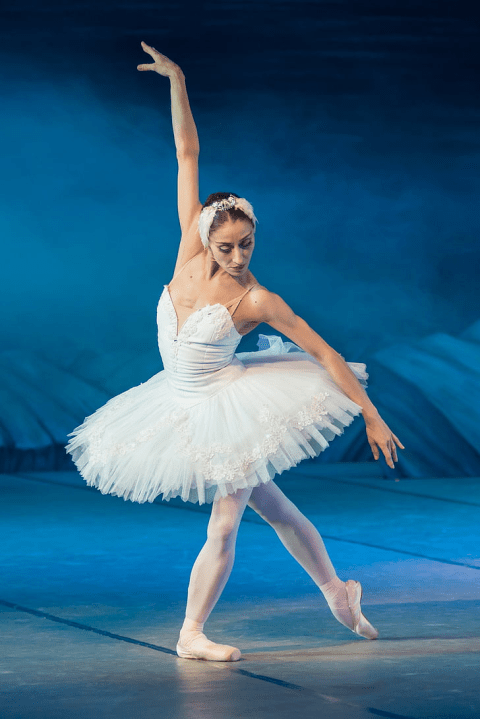
I was a professional ballet and modern dancer before pursuing my PhD, and now I research dance history and popular dance, including K-pop dance. Given my stage experience, I love to integrate dance practice and theory by occasionally choreographing and performing on stage, as well as researching and publishing from a dancer’s perspective.
Q3. What drew you into the world of K-pop, and specifically K-pop dance?
In graduate school, I was fascinated by K-pop idols’ versatility, technical mastery, and polished stage presence. To me, they seemed as dedicated and accomplished as professional ballet dancers.
Q4. Could you tell us more about your work with Oniz Lab and how people can get involved?
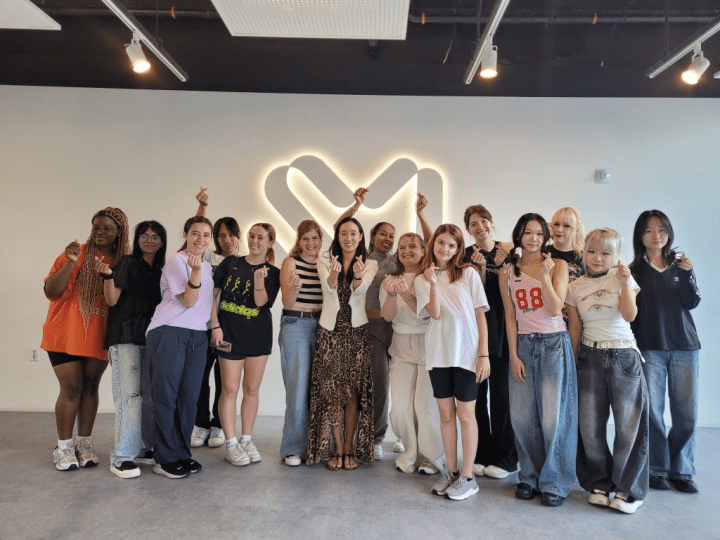
There has been a rise in K-pop dance, transitioning from fandom (cover dancers) to career paths (teachers), but accredited academic opportunities remain limited. As someone who established “K-pop dance studies,” I offer the first K-pop dance theory and practice courses in the US. With my experience, I founded Oniz Lab to help talented K-pop fans and artists turn their passion into professional careers. After completing the required training and education, applicants receive a “K-pop Creator Certificate” registered with the Korean government. The program is open to everyone, with applications starting in the spring. More information is available here: https://www.onizlab.com/About
Q5. Are there any common misconceptions about the K-pop genre or dance that you would like to address?
One of the most common misconceptions concerns “authenticity.” As I fully explain in my upcoming book To Dreamers: K-pop Dance Education (Routledge, 2026), K-pop dance has evolved into a systematic and professional arts discipline, encompassing prodigy training for teens, arts conservatory middle and high schools, and K-pop majors at Korean universities.
Yet Western media continues to perpetuate racial stereotypes, portraying K-pop as a mere imitation of Western pop music and dance. As the book explains, authenticity is not a pure concept but shaped by colonial power dynamics. Historically, white colonizers claimed authenticity, while racial minorities were accused of inauthenticity when performing non-native forms. This racialized structure is outdated and fails to recognize the cutting-edge innovation of the K-pop industry, which has become a global, multisector conglomerate hiring artists worldwide.
Q6. Professionally, you have been published in numerous academic journals including Dance Research Journal and The Journal of Fandom Studies. What would you say is your primary academic interest in dance and its connection to the K-pop scene?
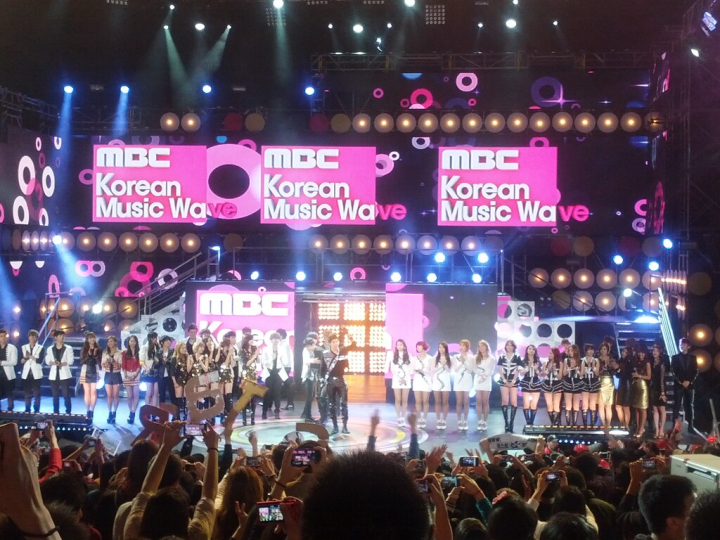
My primary academic interest is identity. I study how dancers perform identity and how audiences also construct their own identities through watching or performing dance. K-pop dance is a unique site to explore identity, where amateur fans, professional dancers, and global artists converge under the umbrella of the K-pop industry.
Q7. What has been your favorite part about watching the K-pop industry develop more intricate choreographies?
I am mesmerized by the skill and creativity that integrate multiple genres. It is not easy to master even one style, but K-pop idols are boundary-crossing artists, a major asset in the era of social media where audiences crave constant novelty.
Q8. What do you consider the main differences between K-pop stage performances and more dance-centered art performances?
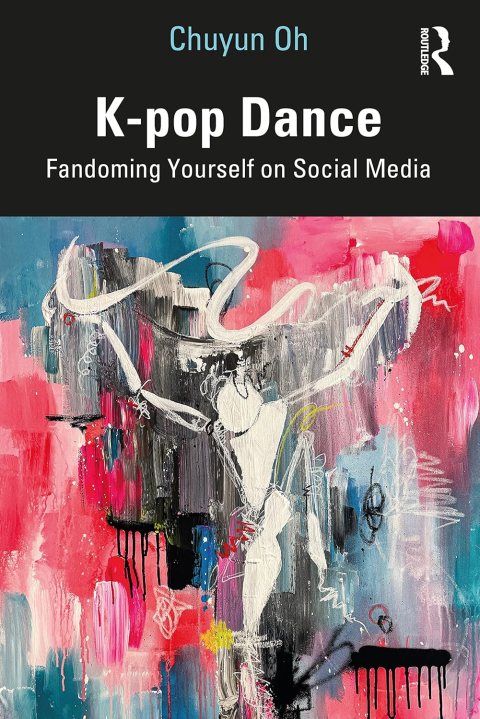
As explained in my book K-pop Dance: Fandoming Yourself on Social Media (Routledge, 2023), an Amazon New Release bestseller, one major difference is the stage—social media. Moving from the traditional theatre to digital platforms changes dance’s form, choreographic style, sponsorship, audience participation, and reception. For instance, on social media, a teenage girl’s 30-second dance challenge focused on upper-body gestures can become more popular than a classical ballet dancer’s lifetime mastery of technique, as the former evokes an “I can do better” feeling.
Q9. Several K-pop groups have debuted from university arts and K-pop departments. Do you think there is a major difference in how these groups train compared to traditional K-pop groups?
As my second book To Dreamers: K-pop Dance Education fully explains, university-based K-pop idols enjoy greater privacy and freedom, but often struggle to compete with agency-trained idols due to differences in priorities, contracts, and budgets.
Q10. Do you have any advice for anyone looking to pursue a career in the dance industry or train as a K-pop idol?
Pursuing one’s dream is a fundamental human desire. Although imperfect, the K-pop industry offers global opportunities for fans and cover dancers alike. Use online training resources wisely, and consider relocating to Korea, where numerous opportunities, including auditions, are available daily.
Q11. Why do you think K-pop is so popular globally, and what role does dance play in this virality?
It is difficult to give a short answer, but clearly, synchronous and flawless group choreography is one of the driving forces behind K-pop’s global appeal. With its diversity, K-pop has become a form of “social dance” for global youth, transcending ballet and hip-hop.
Q12. Who are your favorite dancers in the Korean entertainment industry, and why?
I respect and admire them all.
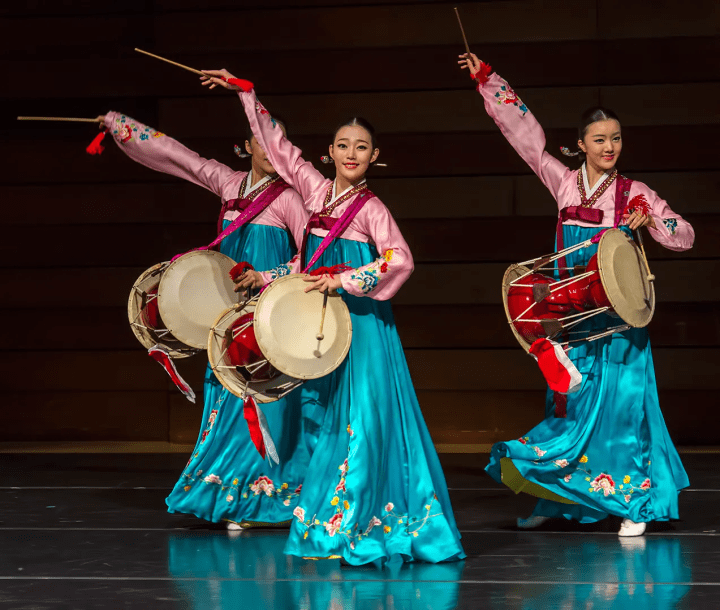
Q13. How do you feel traditional Korean culture and dance inspire K-pop dance?
As BTS and G-Dragon have demonstrated, K-pop emerges from uniquely Korean culture, integrating traditional arts with modern life and drawing inspiration from multiple genres. My second book specifically explores how traditional performing-arts education in Korea has shaped what we now call K-pop dance.
Q14. What qualities, in your eyes, separate a good dancer from a world-class performer?
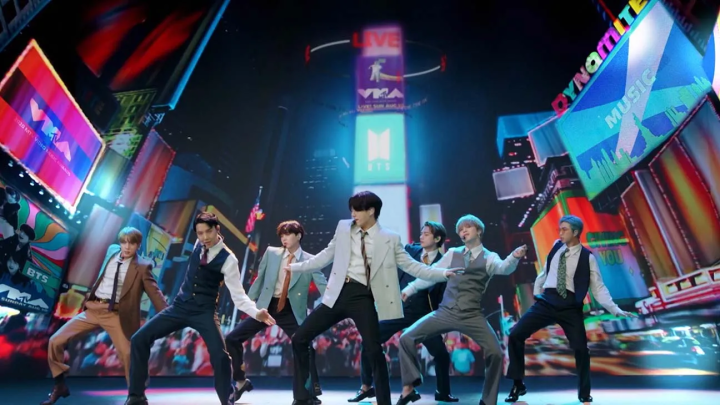
A good dancer is someone who continues dancing and pursues passion even when talent is not yet recognized. A world-class performer, on the other hand, often needs external factors such as sponsorship, luck, marketing, and star power. Occasionally, dancers possess both qualities, and their names endure in dance history. I imagine a few K-pop idols, such as BTS and G-Dragon, will be among them.
Q15. Lastly, do you have any current or recent projects to promote?
Thank you for asking. My second book To Dreamers: K-pop Dance Education will be published in spring 2026. It is the first comprehensive book on this topic, written for academics, educators, dancers, and fans interested in teaching K-pop dance from kindergarten through university. The book provides a detailed theoretical and practical teaching guide based on interviews with over fifty K-pop idols, teachers, agency CEOs, and professors, as well as my own experience offering the first K-pop dance courses in the US.
Thank you so much to Dr Chuyun Oh for taking time out of your busy schedule to talk to us! As K-Pop continues to grow, we too hope that the genre continues to grow in academic spaces – both as a topic of research interest and as a potential course of study. It is always exciting to think about what the future may hold for the Hallyu Wave!
Stay tuned to HallyuTones in the coming weeks as we begin to delve more into the academic side of the genre, with some more in-depth analysis, alongside our biggest project yet!
Follow Dr. Chuyun Oh and her work at the links below:
Instagram: https://www.instagram.com/chuyun.oh
Oniz Lab: https://www.onizlab.com/About
SKKU Summer Classes: https://summer.skku.edu/summer/index.do?fbclid=PAZXh0bgNhZW0CMTEAc3J0YwZhcHBfaWQMMjU2MjgxMDQwNTU4AAGnGT5d9RJgoKxSIJIOhPnDI6jGkOyPZu-s9cLp6iyXcxn3Tqv6hPGWoSWlJtU_aem_gtNa4usle3t80fu7bFXk3A
 HallyuTones
Leave a comment