
Hello and welcome back to HallyuTones – always focused on sound, stage and substance.
A topic that continually interests me is the definition of ‘K-Pop’. Korean popular music has continued to evolve and change, drawing upon a range of influences and inspirations while adding it’s own unique spin.
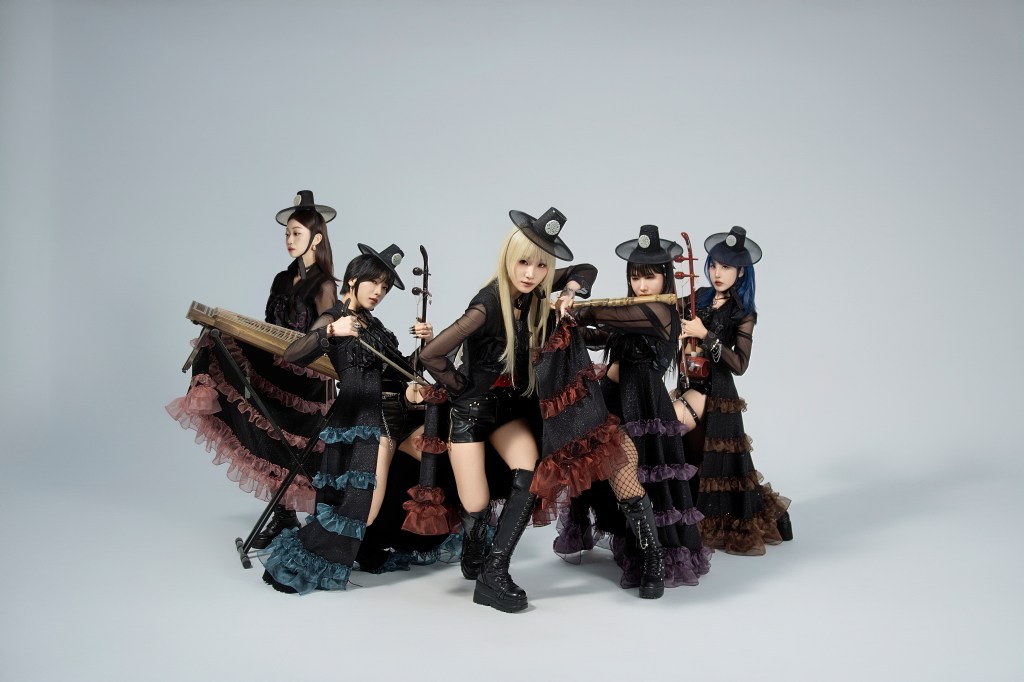
Today’s guests are the band GRANADA, who fuse contemporary K-Pop music with traditional Korean instrumentation to create new sounds.
Due to the highly detailed responses received, this piece will be split into 3 parts. In this first part of the interview, discover who GRANADA are, the inspirations behind their name, their unique music genre, and the blend of modern and traditional elements in their style.
Interview:
Q1. Hello and welcome to HallyuTones! Please could you introduce yourselves to our readers?
Hello, HallyuTones readers!
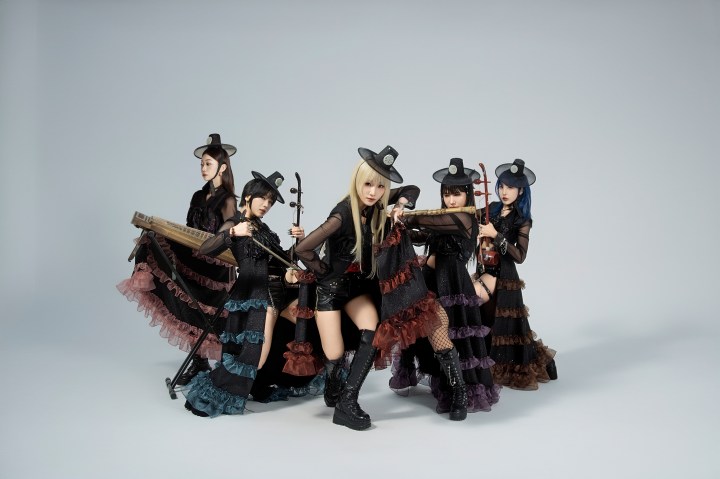
We are GRANADA, a Korean traditional music band consisting of Jenny on vocals, Subin on gayageum, Jaehee on daegeum, and Dayoung and Hyokyung on haegeum.
All of us are trained in traditional Korean music, and we create a genre called “GUK-POP,” which combines Korean traditional music with pop music. Our goal is to make Korean traditional music more accessible and familiar to a wider audience.
Q2. ‘GRANADA’ is a band name with a unique story and inspiration. Could you tell us some more about your group name, and why you chose it?
We chose the name “GRANADA” to reflect the musical direction we wanted to pursue.
As we were looking for a name that could represent our desire to freely crossover with different genres while staying rooted in Korean traditional music, and to showcase the diverse appeal and possibilities of gugak, we were inspired by the Spanish city of Granada.
Granada is a city where its medieval history and traditions have been well preserved while also embracing modern culture. We felt that the way different eras and cultures naturally coexist there closely resembles how we view traditional music.
Rather than simply reproducing tradition as it is, we combine the beautiful melodies, unique tones, and emotions of gugak with contemporary music to create something new. Just as the traditions of the past and the music of today can come together to create a new culture, we believe our music can serve as a bridge between tradition and modernity.
That is why the name “GRANADA” carries both our musical direction and our hope: to preserve the essence of tradition while continuing to create new music, and to help Korean traditional music reach a wider world.
Q3. You often describe your musical style as ‘Guk-Pop’. How would you describe ‘Guk-Pop’ to someone who has never heard of it before?
“GUK-POP” is a term we created by combining “guk,” from gugak, the Korean word for traditional Korean music, and “pop,” referring to popular music.
Pop music forms the foundation of our sound, and we incorporate gugak into a variety of genres, including hip-hop, funk, rock, and EDM, to create our own style of GUK-POP.
GUK-POP is not simply about adding traditional Korean instruments to modern music. Instead, we bring the melodies, unique tones, traditional playing techniques, and expressive elements of gugak into contemporary music, allowing traditional Korean music to naturally blend with a wide range of genres.
We want to create music that feels as accessible and easy to listen to as familiar contemporary music, while also allowing listeners to naturally discover, “Oh, this is what traditional Korean music sounds like.”
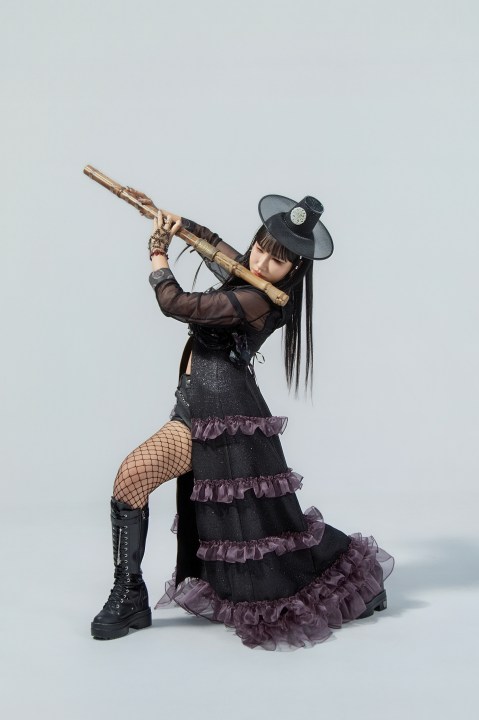
Q4. As a group, you lean heavily into traditional Korean instrumentation. Which traditional Korean instruments do the members play, and what role these play in the group’s sound?
Jenny, our vocalist, majored in pansori; Subin in gayageum; Jaehee in daegeum; and Dayoung and Hyokyung in haegeum.
Jenny is a hybrid vocalist who moves freely between traditional Korean pansori vocal techniques and contemporary pop singing. She mainly sings with a familiar pop vocal style, while adding the distinctive Korean character of pansori as an expressive element. Through this combination, she creates the unique vocal style that defines GRANADA’s GUK-POP.
The gayageum has a wide range and can be played using all ten fingers, allowing it to take on a versatile role in our music. It serves as the foundation for the groove and rhythm throughout a song, while also helping to establish the bassline.
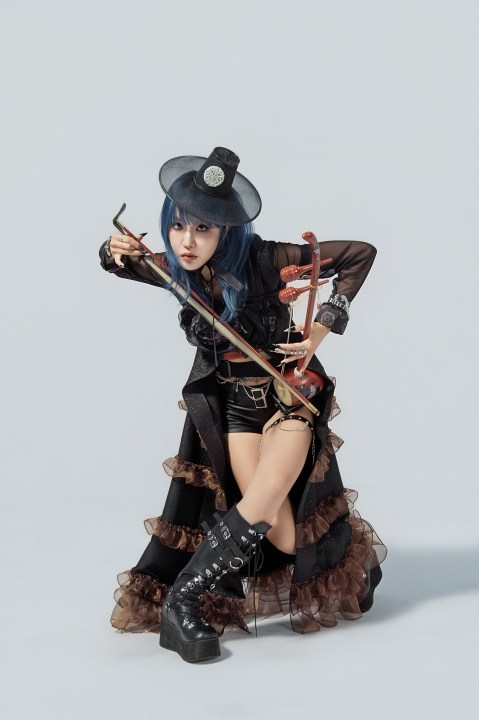
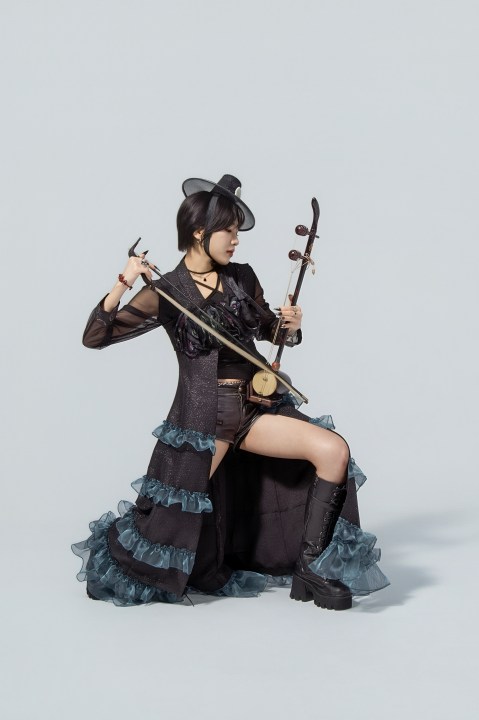
The daegeum and haegeum are the main melodic instruments in our music. With its wide range of expressive techniques, the haegeum adds delicate textures and distinctive musical highlights. Having two haegeum players also allows us to create harmonies, making the overall sound richer and fuller. The daegeum adds depth through its distinctive breathy tone while helping to anchor the central melody.
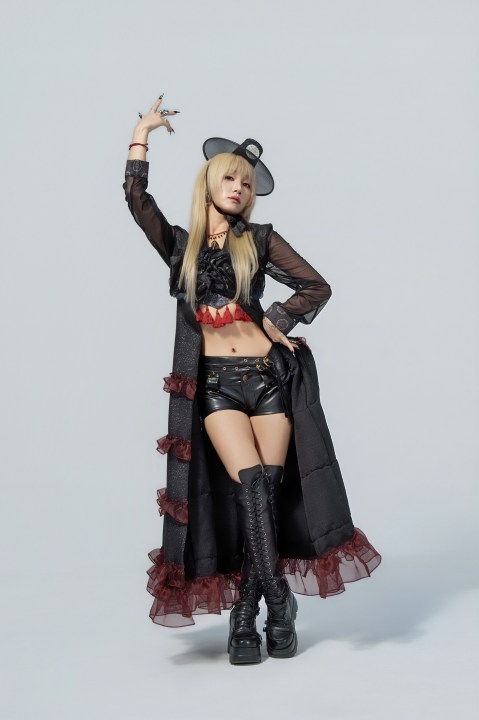
Q5. Importantly, your music blends the traditional sound and modern pop production. What modern pop techniques and styles do you incorporate into your music?
Our music is rooted in pop, while incorporating musical elements from a variety of genres, including hip-hop, funk, rock, and EDM. We focus on preserving the distinctive rhythms and sonic characteristics of each genre while arranging the music so that traditional Korean instruments blend naturally into the overall sound.
For example, we use strong beats and grooves commonly found in contemporary pop, memorable hooks, and dynamic song structures. However, we do not simply place traditional Korean instruments on top of a pop track. Instead, we highlight the unique tones and playing techniques of gugak instruments, sometimes using their melodies or instrumental phrases as hooks and exploring different approaches depending on the mood and flow of each song.
Ultimately, what matters most to us is not simply bringing traditional sounds into modern music, but finding natural ways to showcase the unique appeal of gugak instruments within contemporary music and create a GUK-POP sound that is distinctly our own.
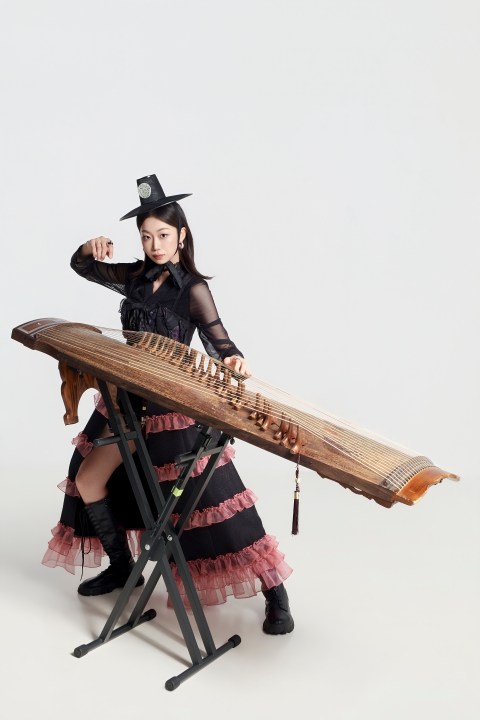
Q6. The ‘Hallyu Wave’ has brought many elements of Korean culture like K-Pop, K-Dramas and K-Beauty products to global acclaim. What aspects of traditional Korean culture and music do you wish more people were aware of?
Traditional Korean music carries a sense of han—a deep feeling of longing and sorrow—but at the same time, it has an incredibly lively, energetic, and powerful spirit. I hope people can come to see gugak in a wider variety of ways.
Even when playing the same instrument, each performer expresses breath, emotion, and sound differently. I believe these subtle differences are what create the unique charm of gugak. In particular, the distinctive and beautiful tones of traditional Korean instruments can blend naturally not only with traditional music but also with popular music such as pop.
Through our music, we hope listeners can naturally think, “Oh, that’s the sound of a traditional Korean instrument,” while also realizing that traditional music does not have to remain in the past—it can continue to evolve by meeting new forms of music.
We believe gugak does not have to be something people encounter only on special occasions or in specific places. It can be music that anyone can comfortably listen to and enjoy in their everyday lives. That is exactly what we hope to achieve through GUK-POP. We want to preserve the beauty of Korean tradition while continuing to bring it together with new forms of music, allowing more people to naturally discover and appreciate the unique charm of gugak.
Thank you to the members of GRANADA for their detailed responses! Stay tuned for part 2, where we will dive deep into each of the members’ thoughts, their individual journeys to joining the band, and Korean traditional instrumentation!
Make sure to follow GRANADA at the links below:
Instagram: https://www.instagram.com/granada_k_official/?hl=en
Spotify: https://open.spotify.com/artist/62mtZhrazHiq0DAldpN8WT
Apple Music: https://music.apple.com/za/artist/granada/1620480698


Leave a Reply