
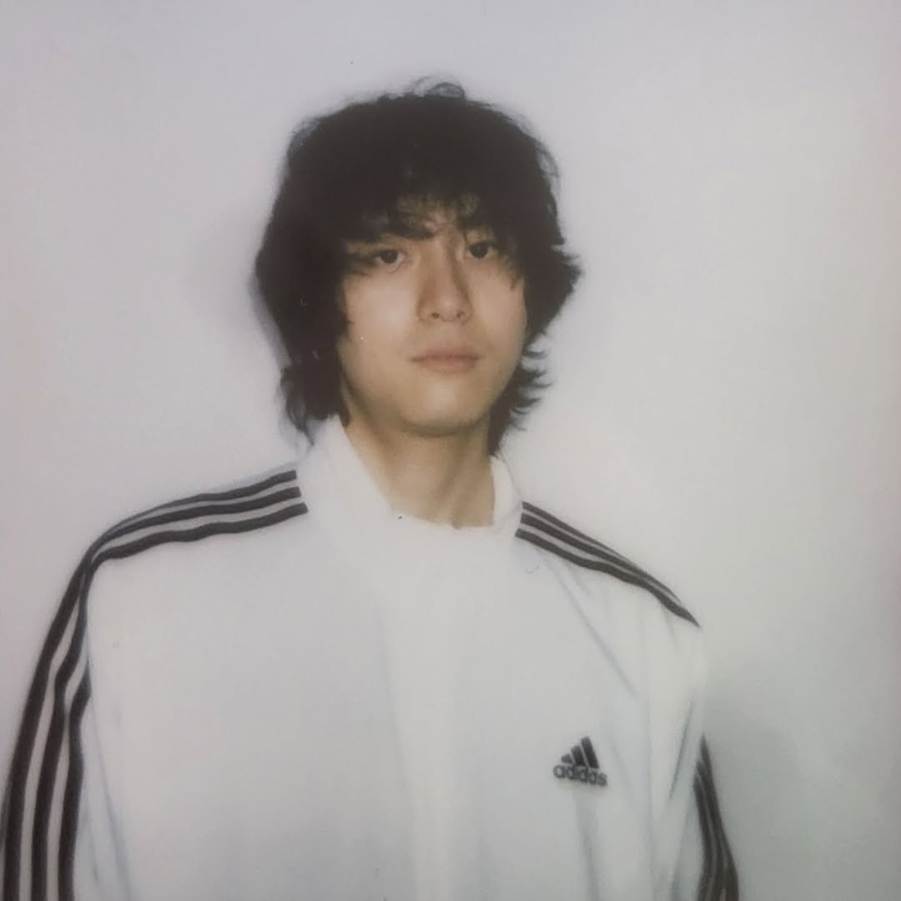
Hello and welcome back to HallyuTones — always focused on sound, stage, and substance.
Through hazy melodies, emotionally layered production, and stories rooted in imagination, isolation, and hope, Jean Vice quietly begun carving out a world entirely his own during his time serving mandatory military service.
From the atmospheric serenity of “Negative” to the hip-hop-centric energy of “Silence Violence,” Jean Vice’s music feels less like a genre-bound repertoire and more like a reflection of emotion in motion. Whether he’s writing about depression, envisioning apocalyptic scenarios, or searching for optimism within silence, his artistry is guided by honesty above all else.
Raised in Seoul and inspired by artists ranging from Eminem and Drake to Frank Ocean and Smino, the independent musician has steadily evolved into a multi-faceted creative; balancing music with late-night shifts, producing music in the quiet of his bedroom, and building alongside his collective YFP. His work carries both the rawness of someone still discovering himself and the ambition of an artist already imagining far beyond music alone.
In our interview with Jean Vice, we discussed the origins of Aprfleur, the meaning behind “Silence Violence,” and his evolving creative identity.
Q1. You go by two names: Jean Vice and Aprfleur. While you’ve said Jean Vice is simply a name without a deeper meaning, what’s the story behind Aprfleur? It feels more poetic — almost like a fusion of “April” and “fleur,” meaning “flower” in French, suggesting something like an “April flower.” Is there symbolism behind that name, inspired by themes of renewal or growth, or is it more of a wordplay on “April Fool”?
You’re really sharp! I was born in April, so I came up with the name Aprfleur, which means “flower bloomed in April.”
About four years ago, when I was serving in the military, my shifts were so boring that I started daydreaming and ended up making up that word. At first, I only used it for Instagram.
Later, when I released my first song, I was thinking about my artist-name and I decided to use Aprfleur. But starting from my very next release, I changed my name. Koreans had a hard time pronouncing it.
Now I go by Jean Vice, so it’s gone back to just my Instagram username. Sometimes I upload some remix tracks on YouTube, and I still use it there.
Q2. For those just discovering you, can you tell us a bit about yourself — your age, where you grew up, and what your early environment was like? Did you receive any formal training in music or production?
I’m 24 years old. Until recently, Korea had a different way of counting age, and by the old system, I’d be 26. I’ve lived my whole life using that method, so, honestly, I still feel like I’m 26.
I grew up in Seoul and I still live here. I think I was just a pretty [average] normal student, who liked basketball and music.
When I was 11, I spent about a year in Canada. That’s when I first discovered Eminem, and I became a huge fan. I used to print out his lyrics on A4 paper and rap all day. I also remember listening to Rihanna, Linkin Park, David Guetta, LMFAO, Carly Rae Jepsen, and Bruno Mars.
I’ve somehow managed to get by with the English I learned back then, up until now. But I’m thinking of studying English again. I want to perform overseas and communicate freely with my fans.
For a long time, I had FL Studio installed at home and I’d try making beats on my own. I watched a lot of tutorials and other artists making songs on YouTube. Then I had to join the mandatory service military, so I took a break for a while. I started making music again near the end of my service.
There was a computer room inside the base, but you know those computers only run approved programs. But somehow there were some computers that people had unlocked (I don’t know how), so I installed FL Studio and made beats.
After the military, I met Justin (Justinanalog on Instagram), my mentor, and learned a lot from him. I also had a few opportunities to work with major artists through him. I still keep in touch with him, he is a great person.
Q3. You also seem to balance music with a day job outside the industry — how does that dual life influence your creativity?
Right now, I work at a night part-time job. Before, I had a job that was physically exhausting and I just couldn’t balance it with music. I was always too tired and couldn’t come up with any ideas. But the place I work at now is much less exhausting and pretty flexible, so I can even sketch beats or do other side work while I’m there. I’m honestly pretty satisfied with it.
I also watch YouTube or read books during my night shifts. So, I store up ideas in my head, and when I go home, I focus on making the actual shape of them. That’s basically the pattern of my life right now.
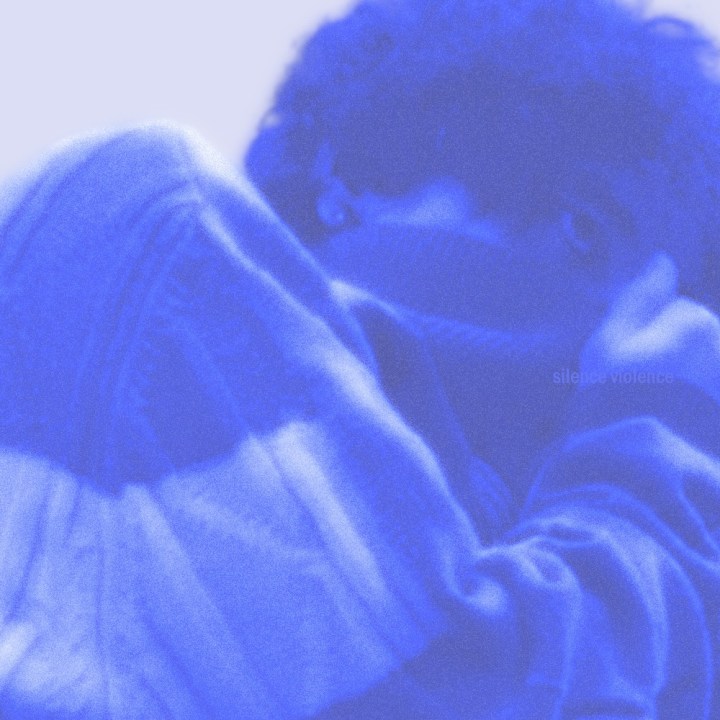
Q4. Looking back, what kind of music shaped you growing up? Which artists left a lasting imprint on your sound, and who continues to inspire you today?
At the very beginning, it was Eminem. After that, I think I learned and drew inspiration from so many different artists. When I think about my growing up years, I loved Mac Miller’s “Faces.” I also really loved Drake’s “If You’re Reading This It’s Too Late” and “Nothing Was the Same.” Also Kendrick Lamar’s “To Pimp A Butterfly.” SZA’s “CTRL,” Kanye West’s “Yeezus,” Smino’s “blkswn,” Odd Future, Frank Ocean, Asap Rocky, Daniel Caesar, Dominic Fike, and even behind all these major names, there are countless other artists who influenced me in different ways. Honestly, it’s hard for me to say who inspired me the most.
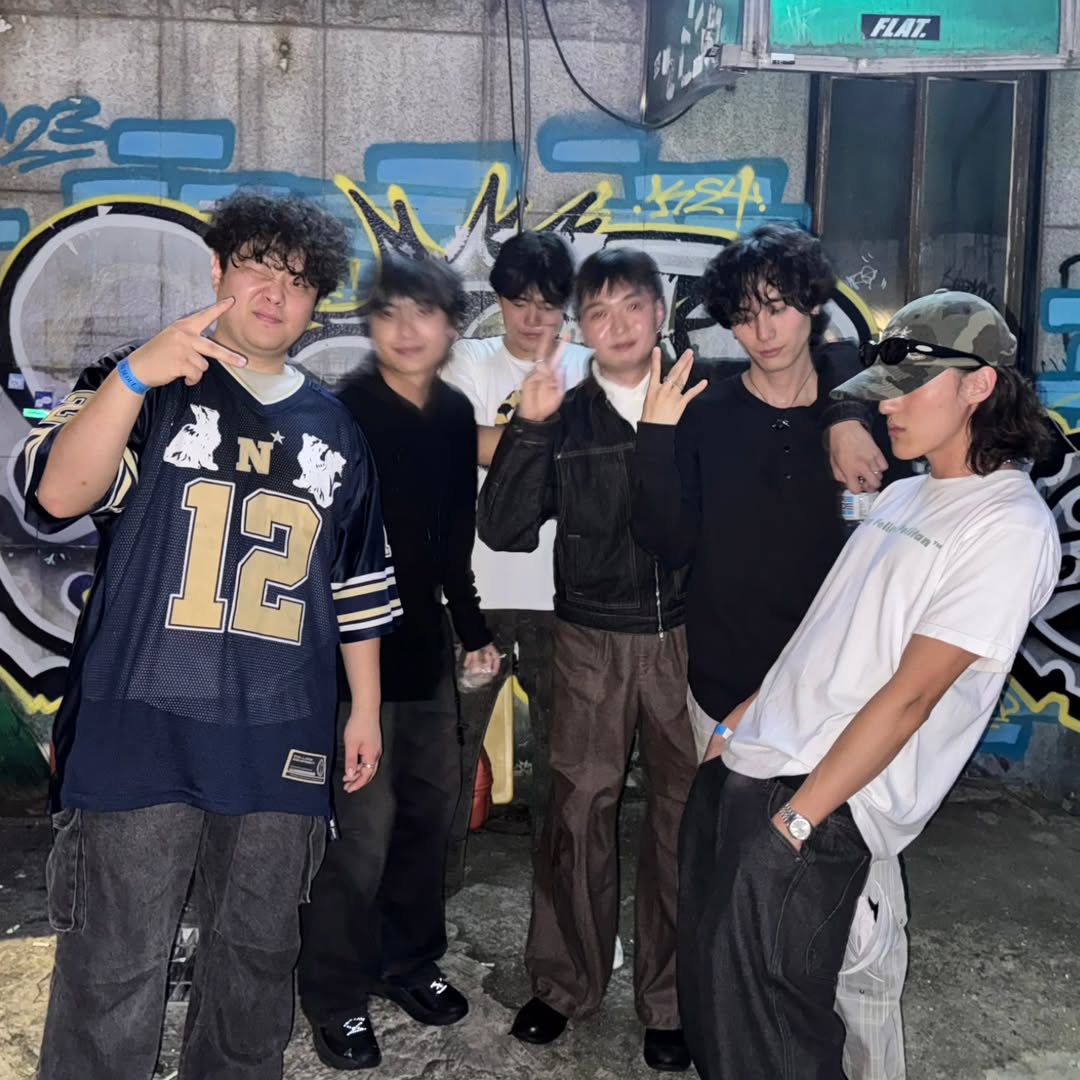
Q5. You’ve spoken about your mentor Justin and your collective, YFP (Young Felines Politan). How have they supported or challenged you as an independent artist navigating your own lane?
Thanks to Justin, I’ve been able to really refine the technical side of my music. He supports me a lot throughout the process of producing my albums, like production and mixing/mastering. He also gives me chances to work with major artists.
YFP is a collective that my friends and I made. I started working with other producers I met through Justin, and we quickly became friends. We basically make songs together and help each other not to lose confidence.
Making music by myself is great too, but when I work on projects with other people, it naturally gives me motivation. That’s something I really like. We can help each other out whenever someone needs support, and it pushes all of us to work harder.
Q6. For someone pressing play on your music for the first time, how would you describe your artistic identity? What should they expect emotionally or sonically?
I’ve thought about this a lot… For now, I think it’s “imagination, depression, and hope inside depression”.
First of all, I write a lot of songs based on my imagination. I’d imagine myself being so successful and rich, buying-all-the-clothes-I-wanttype of stuff. Or sometimes I think about the other side of life. Losing someone, going through hard times, or even something like an apocalypse.
I recently wrote a song and it’s about the last day of Earth. 1000 meteors falling from the sky, and I’m trying to escape with my flying car. Things like that are interesting to me.
And I think I resonate well with depression. Although I like writing about positive things, it sounds more genuine when I talk about sad stuff. So, most of the time I’d imagine different situations, could be rooted in my experience or completely fictional, but basically about depression. I write a story from there. And sometimes there’s a glimmer of hope inside. Those kinds of songs hit me hard. I have a song called “Always”, and that’s exactly what I just described.
Q7. Your discography feels like a quiet evolution. “Ambidex” leaned more pop, “Negative” felt atmospheric and serene, and now “Silence Violence” moves toward a more hip-hop-centric sound. Do you see yourself as genre-fluid, or is there a core sound that defines you? Are there other genres you’re curious about exploring in the future?
I want to expand my sound. As an artist, I think you should try something new every time, or else you’ll be stuck. I think I’m just doing whatever feels real to me (I know that’s kind of a vague expression). There was a time when I thought that I should just stick to a certain genre, because my music felt so disorganized. But as long as each song makes sense to me, I believe they all have connections.
I’m really into bossa nova and rock these days. Another album after Silence Violence might be influenced by those genres.
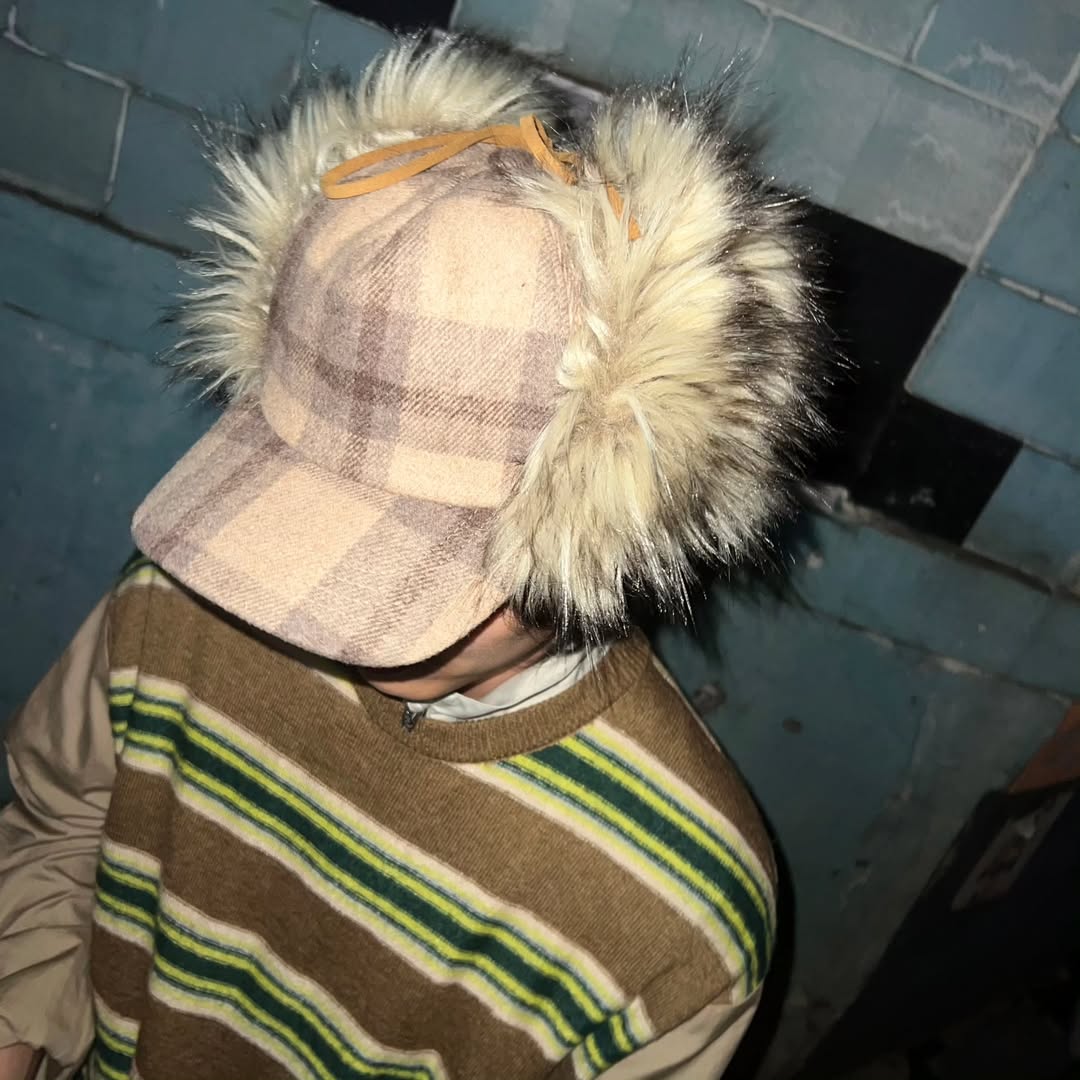
Q8. In your YouTube video 7 : 200 you described “Silence Violence” as hip-hop influenced and said that silence is your power. That’s a striking phrase. Can you expand on what silence represents for you creatively? How does that philosophy shape this album?
When I was a student, I was a quiet kid. It’s not like I didn’t talk at all, but I never was the life of the party. I’d hang around with my friends and laugh at their jokes, but I couldn’t really make them laugh.
Though it’s a little better now, I never really got to solve this problem and still live as a quiet person. So, throughout my life, I tried to find the upsides of my personality, and I hope I did. I’m considerate, I listen carefully to others, I can think deeply, and I’m good at serious conversations. And as I grow older, I realize that being quiet can give you some type of aura.
We all know that no one’s perfect, but feeling that is different. I think I’m kind of feeling it nowadays.
The album [“Silence Violence”] is about my opinions on silence. Silence could be my weakness, but it can also be my strength. This album is something between ointment and excuse to me.
Q9. You’re deeply involved in your own production. From “Ambidex” to “Negative” and now “Silence Violence”, how has your production style matured? When you begin a track, what does your creative process look like from the first spark of an idea to the finished record?
I think my skills are still very limited. I don’t play any instruments; I just make everything though MIDI. I usually start with basslines, drum patterns, or melodies. I would play around with those materials until I find something catchy. From there, I develop as much as I can, and I listen to it all day. And I fix it the next day and listen to it again. I think I repeat this until the song feels good enough. Then I show it to others and listen to what they say. If there’s some ideas that I like, I add them.
Most of the time, I stick to my original version, but sometimes collective intelligence can be really helpful. For example, my song “Cold World” was originally a guitar-based drill type song. And my friend, Moodify, suggested putting in EP sounds instead of guitar, and it just went to a whole different level.
Q10. Despite its title,”Negative”feels calm and almost comforting. What inspired that project? What does the title mean to you personally? And was there symbolism behind the choice of flower on the cover?
I brought the word Negative from negative film. The colors are the opposite before you get the picture developed. In this album, there are two types of songs. Songs that have positive feelings, and songs with negative feelings. If you listen carefully, you can hear this FX sound that comes out often (for example, at the end of “Chess” or “The Infinity Loop”). That sound represents the shift of feeling, just like how negative films change 180.
This album is about the circle of life and circulation of emotions. We all go through good and bad events, and you can’t escape it because that’s what life is about.
The flower on the cover is cistus. Cistus plants trigger themselves to catch fire when the temperature is above 35°C. They burn themselves and all the surrounding flowers to death and then are reborn through their own seeds that survive the flames. Suicide and revival. I see this as a cycle of negative and positive actions. I flipped the color of cistus to show this metaphor.
Q11. One of the pre-release tracks from “Silence Violence,” “Mona Lisa,” feels hypnotic and addictive. What was the inspiration behind that song? Your catalog highlights your vocals, yet your rap delivery feels equally natural in “Mona Lisa” — how did rapping become part of your artistic language?
A friend of mine, Kangchangoo, first sent me the rough version of this song. He had the chords and the drums. He wanted to make a song like “Don’t Don’t Do It!” by N.E.R.D, and asked me if I had some ideas. I played around with the beat and came up with the drop. Although it was quite different from the reference, we both liked it. Later he told me that he was shocked because he wasn’t expecting the drop to be this hard. I was honestly so happy when I heard that.
I was listening to the instrumental version of this song and making melodies while waiting for the subway. All of a sudden, I felt so broke. JAY-Z couldn’t wear skinny jeans because his knots didn’t fit, but my pockets were so empty. So, I wrote some lines from a poor young man’s perspective. Feeling hopeless and free at the same time, and being jealous about peer’s success. The lyrics are really interesting, so anybody who is reading this, go check it out!
As you can tell from the answers above, I’m deeply into hip-hop. I love rap, and I really did some on “Silence Violence”. I want to enhance my rap catalog from now on.
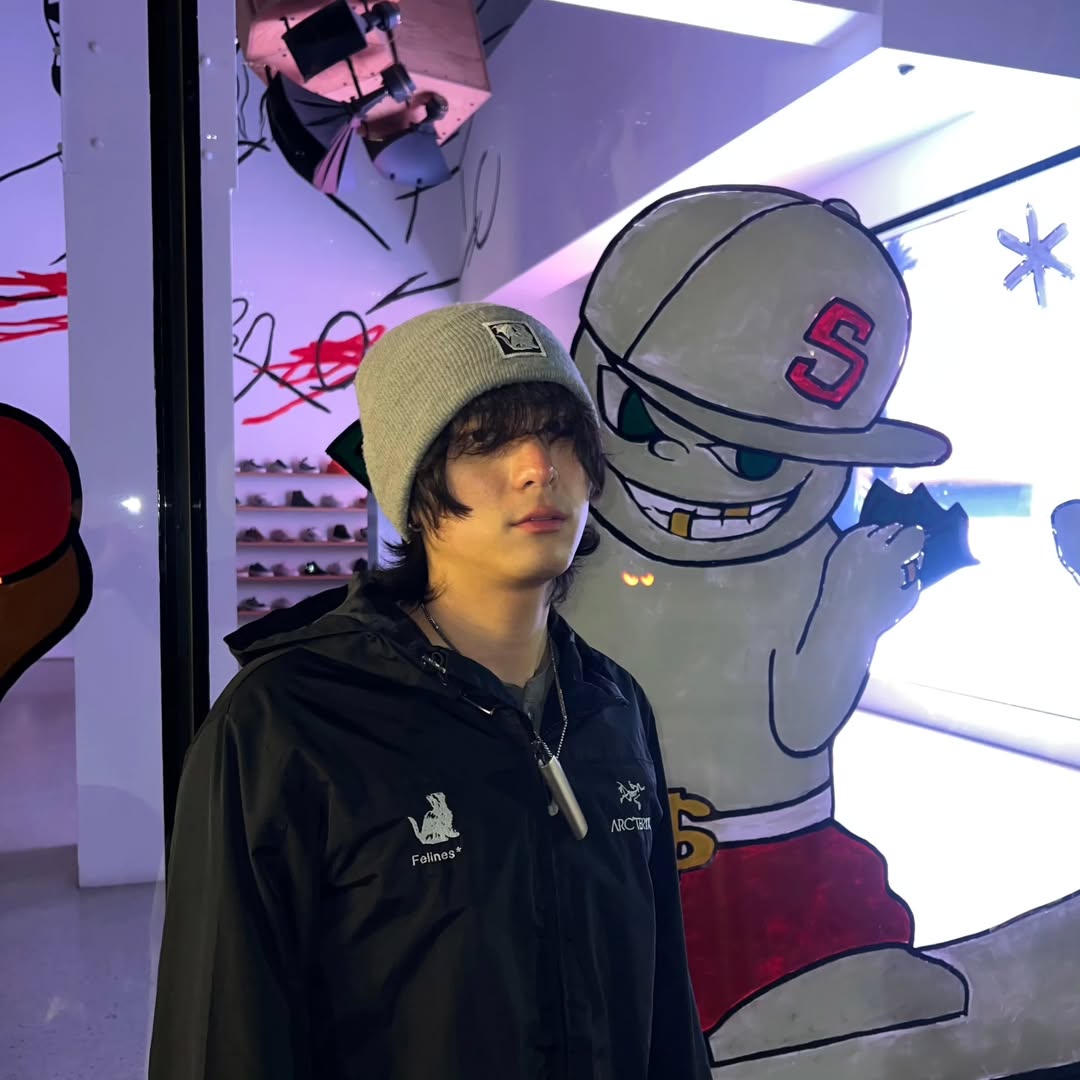
Q12. Korean R&B and K-pop operate in very different spaces. At any point, did you consider becoming an idol or signing under a label? Or was carving out an independent path always the intention?
I wish I was handsome enough to be an idol [laughing]. I like K-pop. Nowadays, so many talented people are involved in the K-pop industry, and therefore we have a lot of quality music. I would love to make K-pop related art.
I guess I’m just passionate about expressing my thoughts and taste. As long as that is guaranteed, I’m open to signing with a label. If that’s not the case, I’d rather be an independent artist.
Q13. You’ve mentioned hearing advice about developing a clear aesthetic, and that honesty might be yours. What does “honesty as an aesthetic” mean to you in practice?
When I scroll through Instagram, I see so many cool artists. They’re good looking, they have dope photos and videos. Absorbing those kinds of contents, I think I focused on the appearances too much. I realized that I was trying to pick a certain aesthetic and make it my own. But as I thought about it more, it felt so unnatural, and I decided to focus on my inner self and story. I thought about my likes and dislikes, my strengths and weaknesses, and what I value. I try to shape everything based on that judgement.
Q14. You previously recommended “Camel,” “Cherry,” and “Always” from “Negative” as entry points for new listeners. While they were truly perfect, personally, “Sun Goes Down” was the one that lingered with me. Will we ever hear an extended version?
I wanted to cut it off right after the drop (just like the released version), so I never thought about carrying the song with the same theme. But I should try it because that is an interesting idea!
Fun fact: there are many alternate versions of this song. On the album, I put “hau san*” right after “Sun Goes Down”. I actually see those two songs as one. On my computer, there are at least 5 different beats that could’ve gotten in the place of “hau san*”. I might release another version of “Sun Goes Down” with a different beat switch.
Q15. Over the past year, you’ve experienced several firsts — your first busking performance and your first club show at The Henz Club. Looking ahead to 2026, what other artistic “firsts” are you hoping to achieve?
First festival? [Laughing] I’m still not confident about being in front of people and performing, but I’m practicing every day in my room. I want to beat the fear in myself. Doing small shows steadily would be great.
I want to have my first viral song too. These days, platforms like TikTok and Instagram have made it easy for artists to blow up. I know there are people out there who resonate with “hope inside depression” type of stuff. I try not to rush myself because I believe the time will come and I’ll eventually find the right audience. But a viral song can make it easier.
Q16. And finally — after “Silence Violence,” who do you hope to become, not just as a musician, but as an artist?
I want to be a multi-layered artist. I don’t want to be just a “singer” or a “rapper”. I’ll be always trying something new, and sharpening the other creative sides like producing, designs, product making, etc. People like Tyler the Creator and Pharrell Williams are so inspiring to me in that sense.
I’m into Sims these days. I could watch videos of designing houses in Sims all day. I’ve always had the desire of making a cozy place. One day you might find a video of me choosing sofas in Sims. I also like watching 3D art videos. People literally design anything in Blender and make it a real-life item. That is so amazing. I want to design my own characters and make figurines someday.
Q17. Is there anything else you would like to add for our readers?
Thank you for taking the time to read this. I hope I can be a source of inspiration for you as a musician, or simply as a human being. Live, Laugh, Love!
Thank you to Jean Vice for this wonderful interview opportunity – getting insight into the various creative processes and inspirations adds depth and weight to music. We are very excited to see your future releases!
To support Jean Vice please follow him on the social media links below:
Instagram: https://www.instagram.com/aprfleur/
Instagram: https://www.instagram.com/yfpolitan/
YouTube: https://www.youtube.com/@APRFLEUR
Spotify: https://open.spotify.com/artist/4b9XYj9WBdBgM2tUy0F9Xy
Apple Music: https://music.apple.com/gb/artist/jean-vice/1809899909


Leave a comment